
Posted by Security Boss Pet Doors on Mar 13th 2026
Wall Mount vs Door Mount Pet Doors: Which Installation Is Right for Your Home?
When most people think about installing a pet door, they imagine cutting a hole in the back door and installing it there. While door installations are very common, they are far from the only option.
In many homes, installing a pet door through the wall can actually provide a better solution. Both installation types have their advantages, and the right choice depends on your home’s layout, your door style, and your long-term goals.
Understanding the differences between wall-mounted and door-mounted pet doors can help you choose the best option for your situation.
Door Mount Pet Doors
Door-mounted pet doors are the most traditional and widely recognized installation type.
They are installed directly into an exterior door such as a wood, metal, or fiberglass door. This option works well when the door is easily accessible to your pet and there is enough space to install the door at the proper height.
Advantages of door-mounted pet doors include:
-
Straightforward installation
-
Lower installation cost
-
Direct access to the yard
-
Minimal structural modification
For many homeowners, installing the pet door directly into the back door is the quickest and simplest solution.
However, there are situations where this approach may not be ideal.
When Door Installation Isn’t the Best Choice
Some homes have exterior doors that are difficult or expensive to modify. Examples include:
-
Glass doors
-
French doors
-
Decorative entry doors
-
Steel security doors
-
Historic or specialty doors
In these situations, cutting into the door may not be desirable.
Additionally, some homeowners prefer to keep their main door intact for resale value or aesthetics.
That’s where wall-mounted pet doors become a great alternative.
Wall Mount Pet Doors
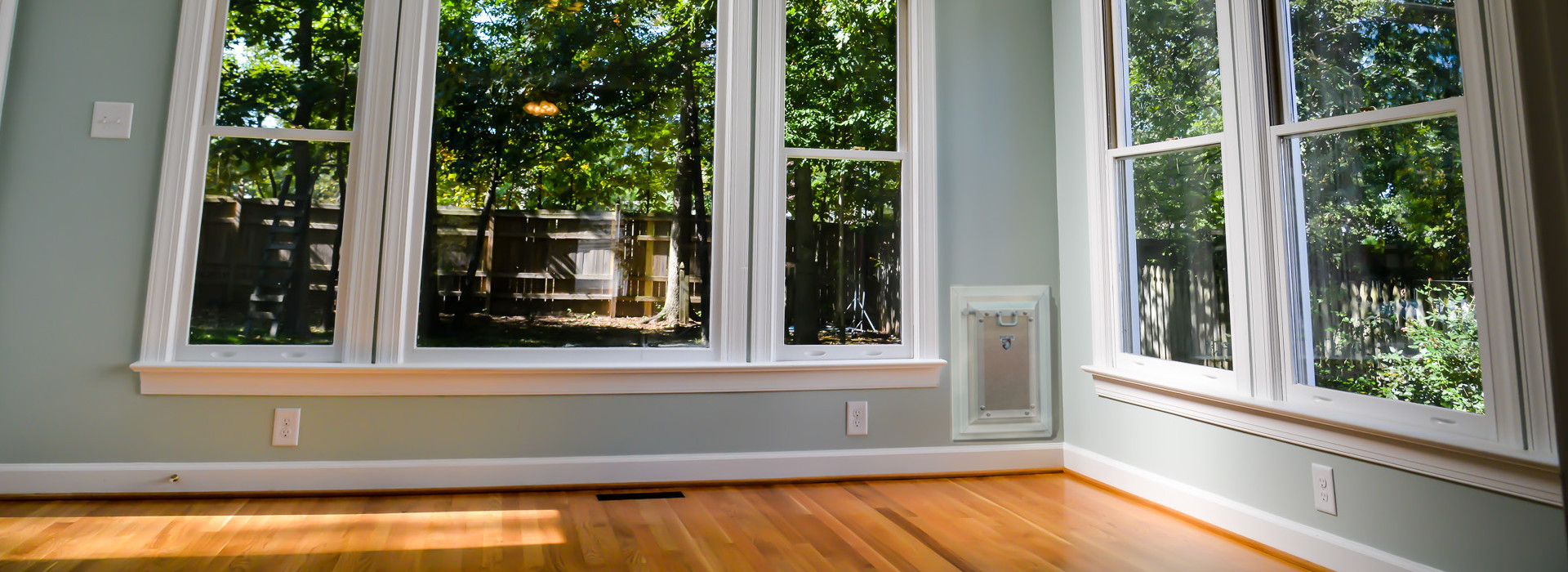
Wall-mounted pet doors are installed directly through an exterior wall instead of through a door.
A tunnel system connects the interior opening to the exterior opening, creating a passageway through the wall structure.
While this type of installation typically requires more work initially, it offers several important benefits.
Advantages of wall-mounted pet doors include:
-
Preserves the integrity of your exterior doors
-
Allows placement exactly where your pet needs it
-
Works well when doors are not accessible to pets
-
Often improves traffic flow inside the home
Wall installations also allow homeowners to position the pet door in locations that are more convenient for pets—such as near feeding areas, mudrooms, or laundry rooms.
Flexibility in Home Design
Many modern homes are not designed with pets in mind, which can make door placement inconvenient.
Wall-mounted pet doors offer flexibility by allowing installation in areas where a door solution wouldn’t work.
This flexibility can make daily routines much easier for both pets and owners.
Insulation and Weather Protection
A common concern with wall-mounted installations is insulation.
High-quality wall-mounted pet doors use insulated tunnel systems and durable materials designed to maintain energy efficiency. When properly installed, they provide excellent weather protection and long-term performance.
Just like door-mounted models, the quality of the pet door itself plays a major role in how well it performs.
Choosing the Right Option for Your Home
Both door-mounted and wall-mounted pet doors can provide excellent convenience and freedom for your pets.
The best option depends on factors such as:
-
Your home’s layout
-
Door construction
-
Accessibility for your pet
-
Installation preferences
With the right planning and a high-quality pet door, either installation can provide years of reliable performance.
The goal is simple: create a convenient and secure access point that works naturally with the way your home is designed.