
Posted by Security Boss Pet Doors on Jun 9th 2026
The 10-Year Pet Door Test: What Will Your Pet Door Look Like a Decade From Now?
Most homeowners don't buy a pet door thinking about what it will look like ten years from now.
They think about convenience. They think about giving their dog easier access to the backyard. They think about ending the constant cycle of opening and closing the door throughout the day.
But a pet door is something your family and pets will use thousands of times every year.
The only question isn't how it performs the day you install it.
Also ask yourself:
How will it perform after 10 years of daily use?
Let's take a look at what separates a pet door that lasts from one that doesn't.
Year One: Almost Everything Looks Good
During the first year, most pet doors perform reasonably well.
The flap is new. The frame is solid. The magnets close properly.
At this stage, it's difficult to tell the difference between a budget pet door and a premium pet door.
This is why many homeowners initially believe all pet doors are essentially the same.
The differences haven't had time to appear yet.
Year Three: The Wear Begins
By year three, daily use starts revealing weaknesses.
Common signs include:
- Flaps beginning to curl
- Magnets may begin to lose strength
- Increased air leakage
- Fading and discoloration
- Small cracks forming in plastic components
The door still functions, but performance is no longer what it was on day one.
For many lower-quality pet doors, this is where the decline starts.
Year Five: Replacement Becomes a Consideration
Around the five-year mark, many homeowners begin asking themselves whether it's worth repairing the door—or simply replacing it.
Drafts become noticeable.
The flap may no longer seal consistently.
The frame may show signs of warping or deterioration.
In many cases, replacement becomes the easiest option because the original product wasn't designed to be serviced.
Year Seven: Performance Matters More Than Price
By year seven, the purchase price has long been forgotten.
What homeowners remember is:
- How well the door worked
- Whether it required replacement
- Whether it caused drafts
- Whether parts were available
- Whether it held up to weather and daily use
At this stage, long-term quality becomes far more important than initial cost.
Year Ten: The True Test
After a decade of use, a pet door has experienced:
- Tens of thousands of flap cycles
- Multiple seasons of weather
- Countless temperature changes
- Years of exposure to sunlight, rain, wind, and snow
A poorly built door may have been replaced several times by now.
A high-quality pet door should still be functioning.
Perhaps it has received a replacement flap or new weather seals along the way—but the core structure remains solid.
That's the difference between a disposable product and a maintainable one.
What Helps a Pet Door Last 10 Years or More?
Several factors play a major role:
Durable Materials
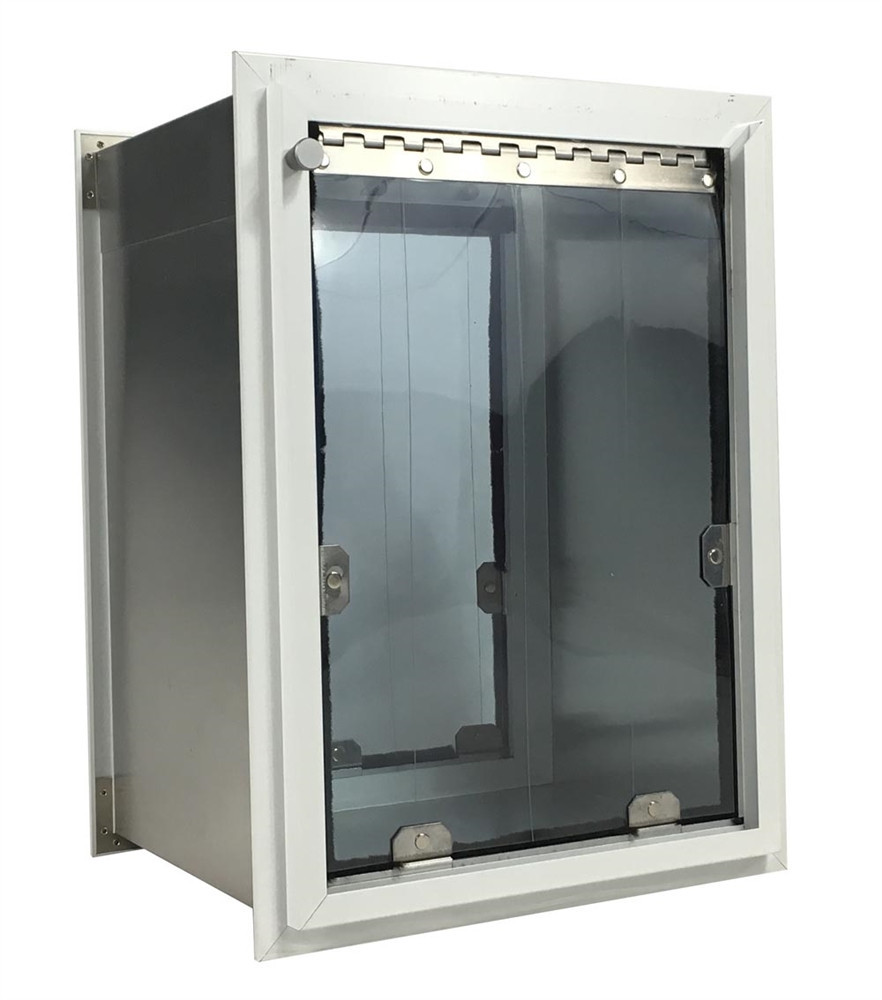
Heavy-duty aluminum frames maintain their integrity far longer than lightweight plastic.
Replaceable Components
Being able to replace flaps and seals dramatically extends lifespan.
Quality Sealing Systems
Proper sealing reduces wear while maintaining efficiency.
Built-to-Order Construction
A precise fit reduces stress on components and improves long-term performance.
Proper Installation
Even the best pet door performs better when installed correctly.
Buy for the Next Decade, Not Just Today
When shopping for a pet door, it's easy to compare prices.
A better question is:
What will this door look like after 10 years of use?
Because that's when the real value becomes clear.
A high-quality pet door isn't simply a purchase—it's a long-term investment in your home's comfort, your pet's freedom, and your own daily convenience.
The best pet doors aren't built to last until the warranty expires.
They're built to keep performing year after year, long after most alternatives have been replaced.